There’s a quiet assumption baked into most recruiting workflows: the best person for a role is somewhere in the applicant pile, you just have to sift through enough resumes to find them. That assumption made sense when job boards were the primary channel for talent discovery. It doesn’t hold up anymore, and the gap between what recruiters expect from inbound applications and what they actually get is widening every year.
The uncomfortable truth is that the strongest candidates for specialized, senior, or highly competitive roles are rarely the ones actively submitting applications. They’re employed. They’re reasonably satisfied. They’re not checking job boards on a Tuesday afternoon. Reaching them requires abandoning the wait-and-screen model entirely.
The Passive Candidate Majority
Passive candidates, professionals who aren’t actively job hunting but would seriously consider the right opportunity, make up the overwhelming majority of any qualified talent pool once you move past entry-level or high-volume roles. For a senior engineering hire, a specialized finance role, or an executive search, the pool of people currently submitting applications is a fraction of the pool of people who are actually qualified.
This isn’t a new observation, but most recruiting infrastructure still isn’t built around it. Job boards, application tracking systems, and even a lot of recruiting team KPIs are structured around managing inbound flow, not generating outbound reach. That mismatch is where searches stall.
A Structural Shift, Not a Tactical Tweak
A detailed analysis on Thinkers360 makes the case that talent acquisition has entered a genuinely new phase, one where contact intelligence, not job postings, drives the most effective sourcing outcomes. The argument isn’t that job boards are useless. It’s that they were never designed to reach the candidates who matter most for the roles that are hardest to fill.
This distinction matters because it changes how a recruiting function needs to be resourced. If the majority of your best candidates aren’t applying anywhere, your recruiters need the tools and the time to go find them directly, verify how to reach them, and start a conversation before a competing offer does. That’s a fundamentally different skill set and workflow than reviewing an inbound pipeline.
What Contact Intelligence Actually Looks Like Day to Day
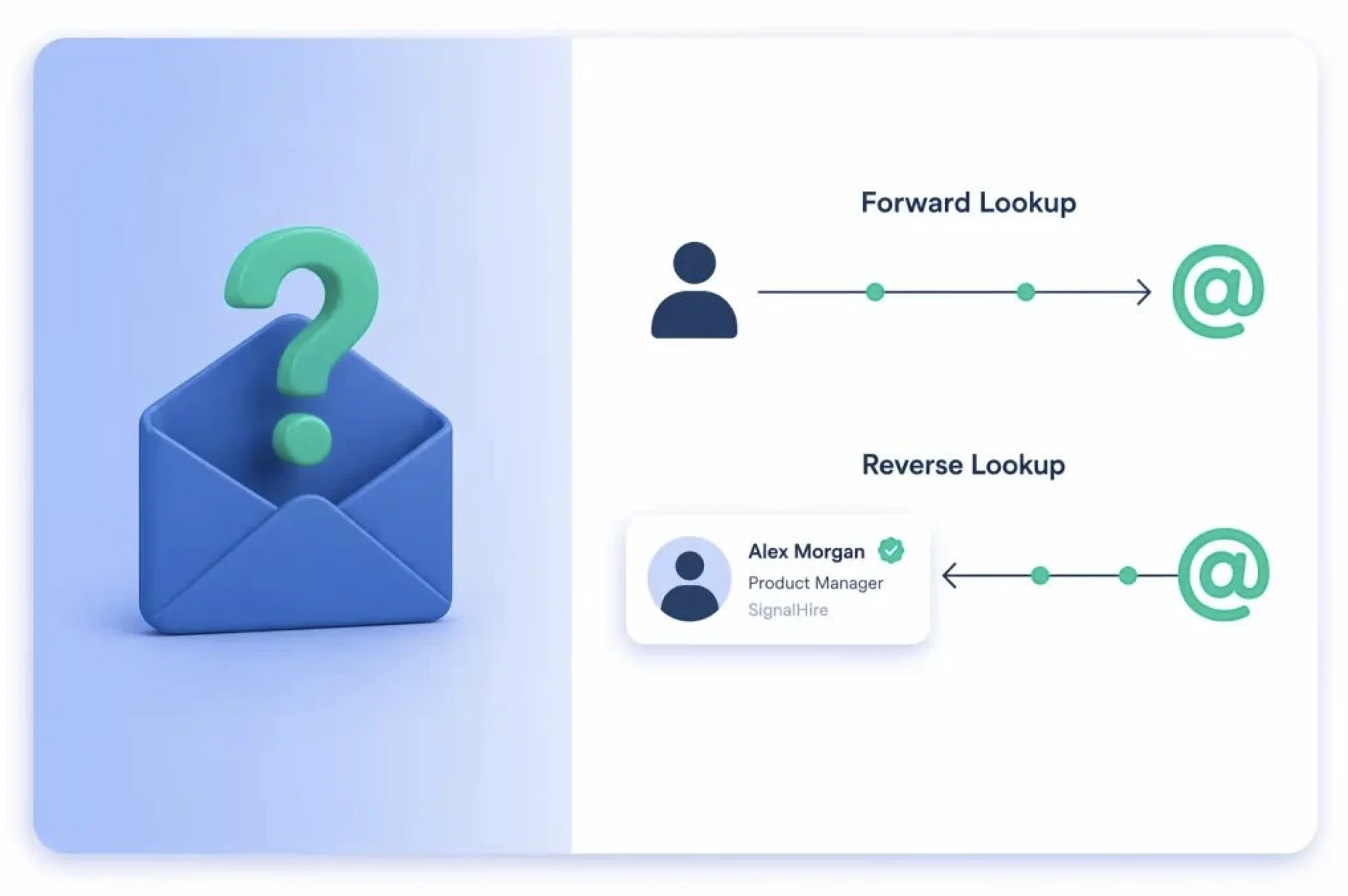
Contact intelligence sounds abstract in a strategy deck. In practice, it’s mundane and repetitive: identify the right person at the right company, confirm their contact details are current, and reach out, ideally without burning twenty minutes of manual cross-referencing per candidate.
This is exactly where browser-based sourcing tools have changed daily recruiter workflows. A Chrome extension that activates directly on a LinkedIn profile page and returns a verified email address and phone number in one click removes the most tedious part of passive sourcing. Instead of finding a promising profile, opening a separate tool, guessing an email format, and hoping it lands, the recruiter clicks once and moves straight into outreach.
The efficiency gain compounds across a full day of sourcing. A recruiter manually researching contact details might spend five to ten minutes per candidate before ever writing an outreach message. Multiply that across dozens of prospects in a given search, and the wasted time becomes the actual bottleneck limiting how many qualified people a recruiter can realistically reach in a week.
Verification Matters More Than List Size
There’s a temptation to measure sourcing success by volume: how many contacts did we identify this week. That metric is misleading if a meaningful share of those contacts are unreachable. A list of 200 names where 40 percent of the emails bounce and the phone numbers are disconnected was never really a list of 200 reachable candidates.
Real-time verification, confirming a contact detail at the moment of lookup rather than trusting a database that was accurate at some point in the past, is the variable that actually determines whether a sourcing effort translates into conversations. For searches involving genuinely scarce talent, where the qualified pool might only be a few dozen people globally, every wasted outreach attempt on a dead contact is a real, measurable cost, not just an inconvenience.
How This Changes What “Good Recruiting” Looks Like
As contact intelligence becomes central to sourcing, the skills that define a strong recruiter shift accordingly. Writing a compelling job description still matters, but it matters less than it used to relative to research discipline: correctly identifying a target profile, verifying contact accuracy before investing outreach time, and personalizing a message based on genuine, current context about the candidate’s situation.
Recruiting teams that have made this shift report the change less in dramatic wins and more in consistent, incremental improvement: shorter time-to-first-contact, higher response rates on cold outreach, and pipelines that increasingly include candidates who would never have applied to a posted listing in the first place.
Key Takeaway
Talent acquisition built entirely around inbound applications is structurally capped at whoever happens to be actively looking right now, a group that excludes most of the strongest candidates for competitive roles. Contact intelligence extends recruiting reach to the much larger population of passive candidates, but only when paired with verification discipline that ensures the outreach actually lands somewhere real.