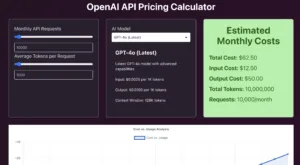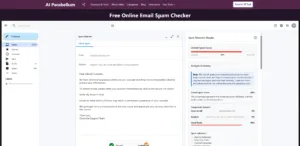
Not every digital problem needs a complicated solution. Sometimes, the task is as simple as changing a file format, removing an unwanted part of an image, checking a calculation, or finding out whether a piece of text is too long.
A few years ago, many of these jobs meant downloading a separate program or asking someone else for help. Today, a browser and the right online utility can often do the job in a matter of seconds.
That shift may seem small, but it has changed the way people approach everyday work online.
Convenience has become part of the workflow
The biggest advantage of small web tools is that they remove unnecessary steps. If someone needs to compress a PDF once, there is little reason to install specialist software just for that task.
The same applies to students working with documents, freelancers preparing files for clients, or someone trying to resize an image before uploading it to a website. A focused tool can solve one problem without requiring the user to learn an entire application.
This is especially useful for people who move between different computers or devices. Instead of relying on a particular machine, they can often open a browser and continue with the task.
Small tools can save more time than expected
Saving two or three minutes on a single task might not sound significant. But people rarely perform just one digital task during a working day.
Consider someone preparing a presentation. They may need to resize several images, convert a document, check a few figures and share the finished files. Each task is relatively minor, yet together they can take a surprising amount of time.
This is where simple online utilities become useful. They take care of repetitive jobs so users can spend more time on the work that actually requires their attention.
The same principle applies to online access. People who regularly work from different locations may also want more control over how they connect to online services. For some users, Private Internet Access offers a dedicated IP option, which can be useful in situations where a consistent online address matters.
Browser-based tools are changing expectations
There is also a wider change in what people expect from software. Users increasingly want tools that are quick to understand and do not make simple tasks feel complicated.
A well-designed utility usually has one clear purpose. There are fewer menus to navigate and less time spent figuring out where a particular function is located.
This simplicity matters because not everyone using the internet is technically experienced. A tool that makes sense immediately can be more valuable than one packed with advanced features that most people will never use.
The right tool depends on the problem
Having hundreds of online utilities available does not mean every tool is worth using. The important thing is finding one that solves the actual problem without adding more work.
For a one-time task, simplicity may be the priority. Someone who regularly handles large files might care more about speed and limits. A person working with sensitive information may have completely different concerns.
Users should also pay attention to what happens to information they submit. Before uploading a document or image, it is sensible to understand how the service handles the material and whether the task can be completed without sharing unnecessary personal information.
Digital work is becoming more modular
Modern online work is rarely handled by one application from beginning to end. A person might write in one platform, edit an image with another service, convert a file somewhere else and then share everything through a cloud application.
These small tools fit naturally into that process. Instead of searching for one piece of software that can do everything, users can choose a specialised utility whenever a particular need appears.
This broader shift is also changing the way people work online. A useful set of tools can remove friction from routine tasks without requiring users to completely change their workflow.
Simple does not mean unimportant
The popularity of online utilities says something interesting about digital habits. People are not always looking for more powerful software. Quite often, they simply want something that works quickly and gets out of the way.
That is why a small converter, calculator, checker or file utility can become part of someone’s regular routine. It may only solve one problem, but it solves that problem at exactly the moment it is needed.
As more everyday activities move online, these small tools are likely to become an even more ordinary part of digital life. The most useful ones may not be the platforms with the longest feature lists, but the ones that make a frustrating five-minute task disappear in a few clicks.